
The European Union Is Getting Worse By The Day… (Now Germany 🇩🇪 Is In Big Trouble)
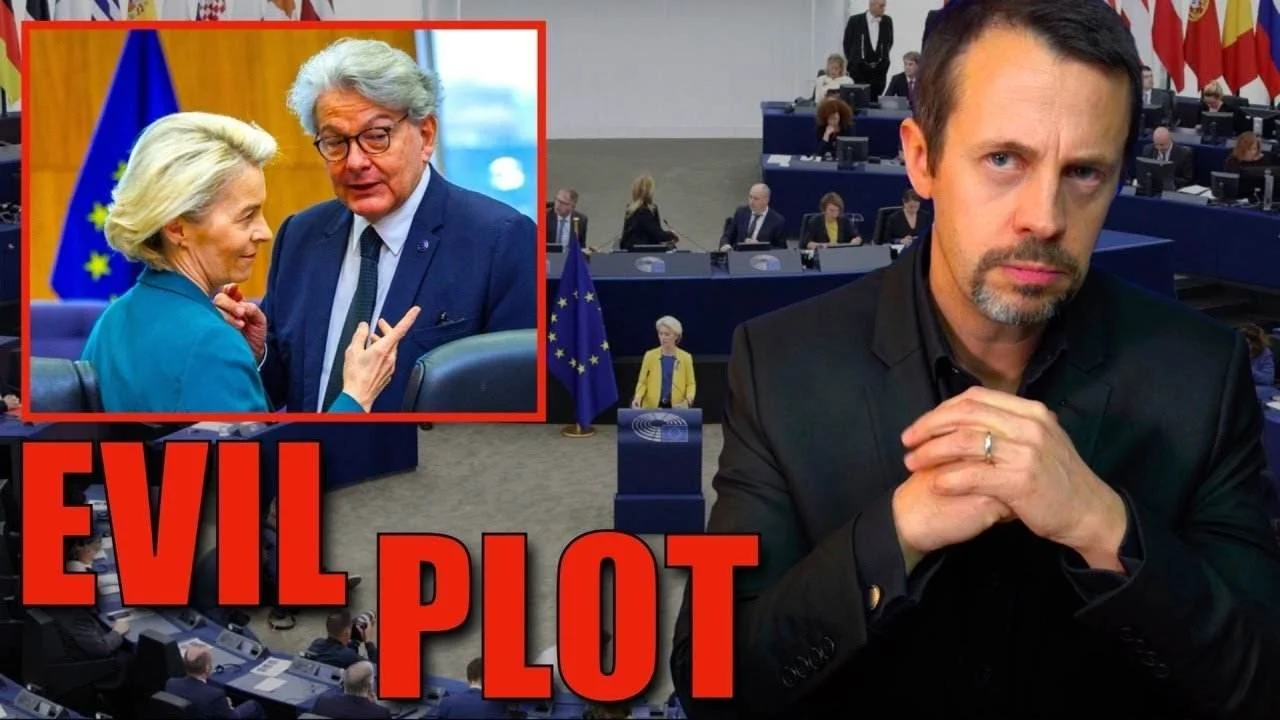
Ladies and gentlemen, welcome to today’s discussion, where we’re tackling an issue that’s both alarming and eye-opening: the current state of Germany and the European Union. There’s a lot to cover, so let’s dive right into it.
The European Union’s Power Grab
The European Union (EU) is growing increasingly authoritarian, and frankly, it’s worrying. You may recall my analysis last year when I spoke about a plan to consolidate power within the EU. Well, that plan is advancing rapidly. The EU has already eroded veto rights for member countries, and their next objective is even more ambitious: establishing a "Council of Five." This would mean just five individuals controlling the entire EU.
Why are they doing this? The EU sees certain countries—Romania, Hungary, Slovakia, and now even Germany—as threats to their centralized model. This isn’t speculation; it’s based on concrete actions we’ll explore today.
Election Meddling and Democratic Undermining
One of the most shocking developments this week involves Thierry Breton, the European Commissioner, who threatened to annul Germany’s election results if the Alternative for Germany (AfD) party gains power. This might sound like an empty threat, but it’s not. Just last week, the EU canceled Romania’s first-round presidential vote, citing reasons like "far-right interference" and even "Chinese influence through TikTok."
These are the same tactics being hinted at for Germany. Let me clarify: I’m not here to endorse any political party; I’m here to discuss democracy. If the EU blocks a party that’s democratically elected, is it really democracy?
Media Bias and Public Perception
The media is complicit in shaping narratives against the AfD. German outlets like DW News have gone as far as calling the AfD "right-wing extremists." Their polling numbers are high, and co-leader Alice Weidel is one of the most popular politicians in Germany. Yet, the EU and the media label any dissent as extremism.
Protests have erupted across Germany and Romania against these undemocratic practices. Over 100,000 Romanians took to the streets last week, showing that people are fed up with this overreach.
Germany’s Economic Decline
Now let’s shift gears to Germany’s economic turmoil. The country is facing a 30% rise in bankruptcies this year compared to 2024, levels not seen since the 2008 financial crisis. Manufacturing—the backbone of Germany’s economy—is taking a massive hit. In just the last quarter of 2024, over 40,000 jobs were lost in the manufacturing sector alone. Key industries like steel and automotive are downsizing significantly.
Why is this happening? Higher energy costs, driven by sanctions on Russian gas, are crippling the economy. While the EU blames external factors like "Russia’s war on Ukraine," the truth is this crisis is largely self-inflicted. Energy sanctions have backfired, leaving Germany’s economy spiraling.
Additionally, Germans are poorer today than they were in 2019. Despite wage increases, inflation has outpaced them, making everyday goods and services unaffordable. To make matters worse, migration policies are straining public resources, further aggravating economic instability.
The Energy Conundrum
Energy remains the central issue. Germany’s reserves have plummeted due to an extremely cold winter, and the country is scrambling to secure new deals—including one with Romania. Without cheap and reliable energy, Germany’s economy faces a bleak future. The situation has grown so dire that some speculate Germany might shift toward a wartime economy, focusing on industries like weapons manufacturing to stay afloat.
The Bigger Picture
These crises aren’t isolated to Germany. France, the UK, and other European nations are also facing significant challenges. Economic hardships often lead to political unrest, and we’re already seeing the cracks. Whether it’s mass layoffs or soaring energy costs, the EU’s policies are failing its citizens.
Final Thoughts
Germany and the EU are at a crossroads. The economic downturn, combined with political overreach, paints a worrying picture. If the EU continues on this path of centralized control and suppression of democratic processes, the consequences could be catastrophic.
I’ll end by saying this: It’s absolutely terrible to see what’s happening. People are losing jobs, homes, and their faith in the system. My heart and prayers go out to everyone affected. Thank you so much for joining this discussion today. If you haven’t subscribed yet, please do so. You can also follow me on X for more updates.
Take care, God bless, and I’ll see you next time.